



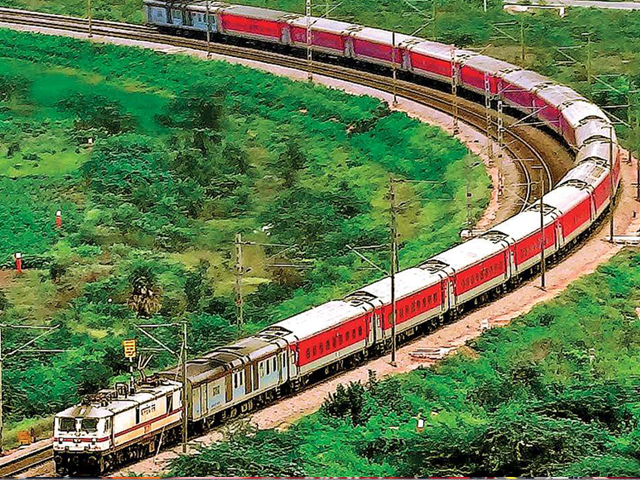
The core challenge in railway operations has always been the wheel-rail interface. As steel wheels grind against steel rails—especially along tight curves—the friction generates immense heat, acoustic noise, and rapid material degradation (gauge face wear). Die zentrale Herausforderung im Bahnbetrieb war schon immer die Rad-Schiene-Schnittstelle. Wenn Stahlräder an Stahlschienen schleifen – insbesondere in engen Kurven – erzeugt die Reibung enorme Hitze, akustischen Lärm und einen schnellen Materialabbau (Fahrkantenverschleiß).
Trackside vs. Onboard Lubrication Systems Streckenseitige vs. bordseitige Schmiersysteme
To combat this, the industry relies on two primary application methods. Trackside Lubricators are installed at specific curves and dispense grease onto the passing wheels. Onboard Systems are mounted directly on the locomotive, spraying precise amounts of lubricant directly onto the wheel flange based on distance or time. Um dem entgegenzuwirken, setzt die Industrie auf zwei primäre Anwendungsmethoden. Streckenseitige Schmiergeräte werden in bestimmten Kurven installiert und geben Fett auf die vorbeifahrenden Räder ab. Bordsysteme sind direkt an der Lokomotive montiert und sprühen je nach Entfernung oder Zeit präzise Schmierstoffmengen direkt auf den Spurkranz.
How LUBERR's Trackluberr Solves the Problem Wie LUBERRs Trackluberr das Problem löst
LUBERR engineered the Trackluberr series to address the most challenging aspects of rail friction management. Available in Hydraulic, Electric, and Solar-powered variants, the system can be deployed in the most remote locations without access to grid power. LUBERR hat die Trackluberr-Serie entwickelt, um die anspruchsvollsten Aspekte des Schienenreibungsmanagements zu bewältigen. Das System ist in hydraulischen, elektrischen und solarbetriebenen Varianten erhältlich und kann an den entlegensten Orten ohne Zugang zum Stromnetz eingesetzt werden.
By applying highly specialized friction modifiers directly to the gauge face, Trackluberr drastically lowers the friction coefficient. This not only prevents the wheels from grinding the track away, but it also eliminates the high-pitched "squeal" typically heard as trains navigate sharp curves in urban metro environments. Durch das direkte Auftragen hochspezialisierter Reibungsmodifikatoren auf die Fahrkante senkt Trackluberr den Reibungskoeffizienten drastisch. Dies verhindert nicht nur, dass die Räder die Schiene abschleifen, sondern eliminiert auch das hochfrequente "Quietschen", das typischerweise zu hören ist, wenn Züge in städtischen U-Bahn-Umgebungen scharfe Kurven durchfahren.
Measuring Success with LUBERR Tribometers Erfolg messen mit LUBERR Tribometern
You cannot manage what you cannot measure. LUBERR's Tribometers allow rail maintenance crews to accurately measure the coefficient of friction directly on the track. This precise data ensures that the lubrication systems are dispensing the exact correct volume—preventing over-lubrication (which can cause traction loss) and under-lubrication (which causes wear). Man kann nicht managen, was man nicht messen kann. Die Tribometer von LUBERR ermöglichen es den Instandhaltungsteams, den Reibungskoeffizienten direkt am Gleis genau zu messen. Diese präzisen Daten stellen sicher, dass die Schmiersysteme die exakt richtige Menge abgeben – und verhindern so eine Überschmierung (die zu Traktionsverlust führen kann) und eine Unterschmierung (die Verschleiß verursacht).
Optimize Your Rail Network Optimieren Sie Ihr Schienennetz
Learn how our Make-In-India solutions are extending the lifespan of railway infrastructure globally. Erfahren Sie, wie unsere Make-In-India-Lösungen die Lebensdauer der Eisenbahninfrastruktur weltweit verlängern.
Explore Rail Solutions Bahnlösungen entdecken